Cheapest CS2 Skins
The cheapest Counter-Strike 2 skins on the market, ranked from the lowest current price up. Most cost a few cents and stay fully tradeable and marketable.
Budget skins are useful for trade-ups, crafting sticker bases or filling an inventory cheaply. Open any skin to compare markets and find the lowest listing.
Top 60
Updated 3 d ago AUG (Commando Company) $0.0030 22 markets -20% 2.1K /day SV
 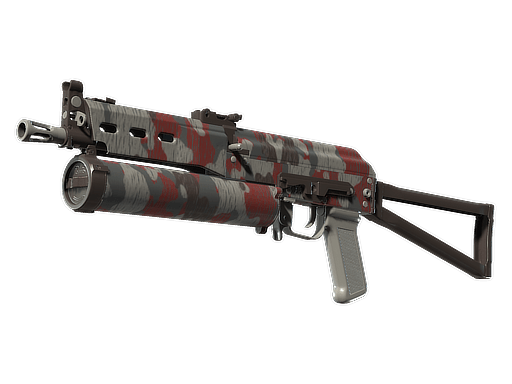 PP-Bizon (Wood Block Camo) $0.0030 19 markets -20% 1.4K /day SV
 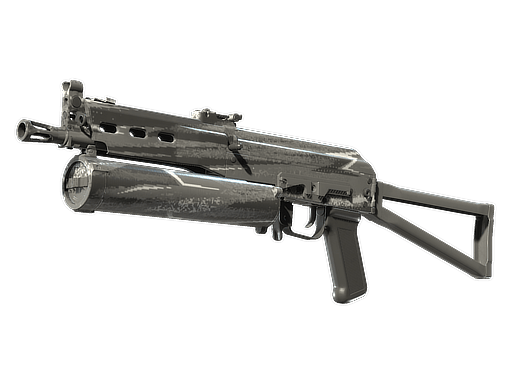 PP-Bizon (Bizoom) $0.0030 19 markets 0% 2.3K /day SV
 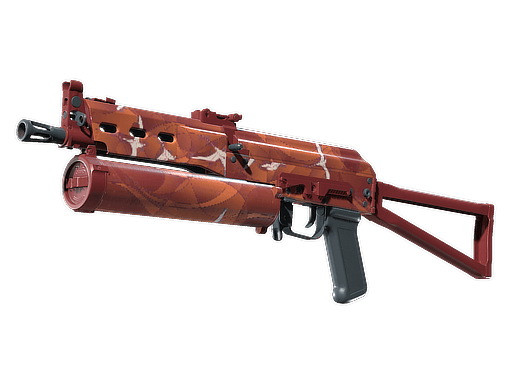 PP-Bizon (Thermal Currents) $0.0030 23 markets +25% 2.2K /day SV
 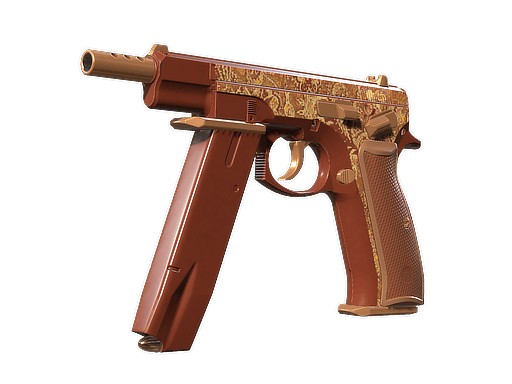 CZ75-Auto (Honey Paisley) $0.0030 22 markets 0% 3.1K /day SV
  CZ75-Auto (Pink Pearl) $0.0030 18 markets 0% 1.4K /day SV
  Dual Berettas (BorDeux) $0.0030 22 markets 0% 2.1K /day SV
 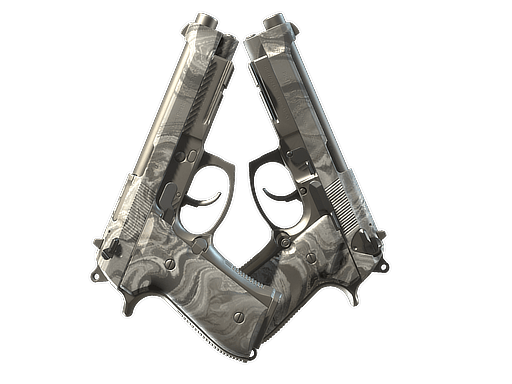 Dual Berettas (Silver Pour) $0.0030 20 markets 0% 1.9K /day SV
 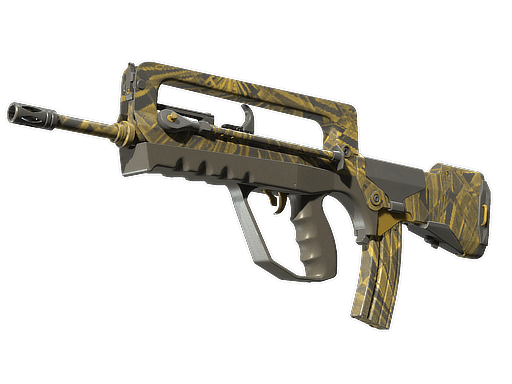 FAMAS (Byproduct) $0.0030 22 markets -20% 2.5K /day SV
 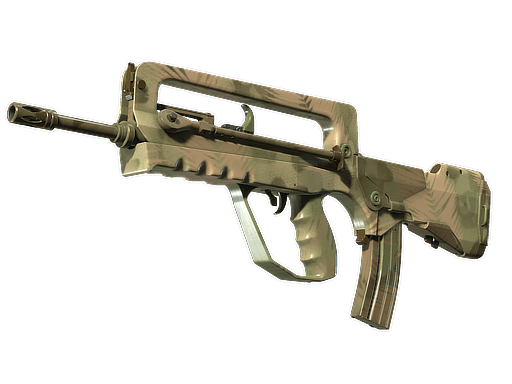 FAMAS (Palm) $0.0030 18 markets 0% 2.2K /day SV
 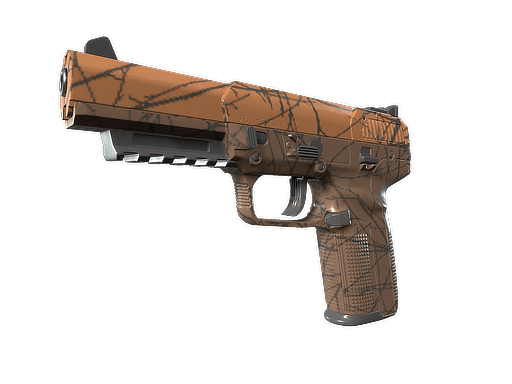 Five-SeveN (Autumn Thicket) $0.0030 20 markets -33.3% 2.0K /day SV
 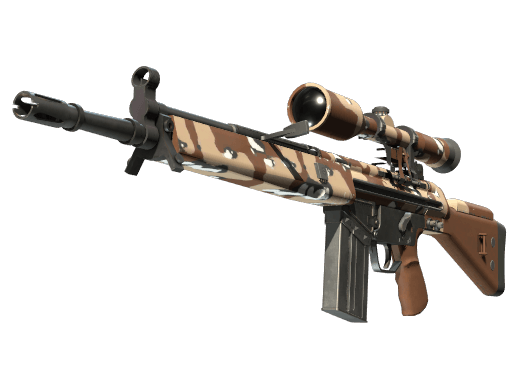 G3SG1 (Desert Storm) $0.0030 25 markets 0% 644 /day SV
  G3SG1 (Red Jasper) $0.0030 18 markets +25% 1.4K /day SV
 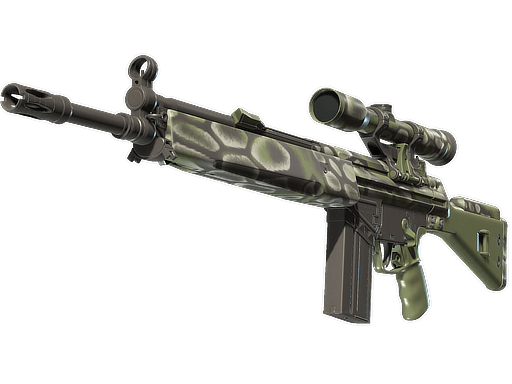 G3SG1 (Green Cell) $0.0030 19 markets 0% 1.2K /day SV
 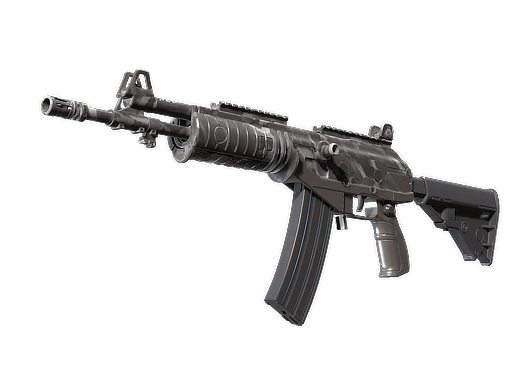 Galil AR (Grey Smoke) $0.0030 19 markets 0% 1.4K /day SV
 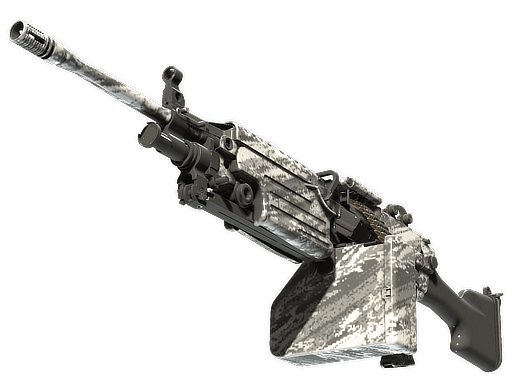 M249 (Sleet) $0.0030 20 markets 0% 1.6K /day SV
  M249 (Sage Camo) $0.0030 19 markets 0% 2.1K /day SV
 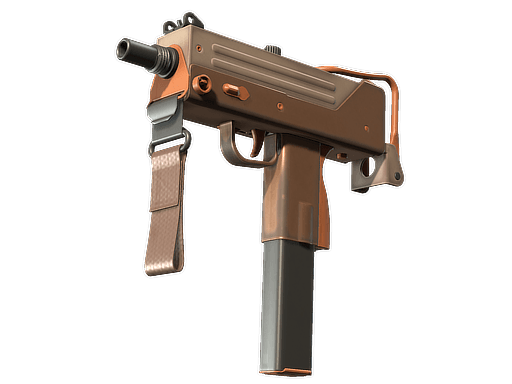 MAC-10 (Bronzer) $0.0030 21 markets -20% 2.2K /day SV
 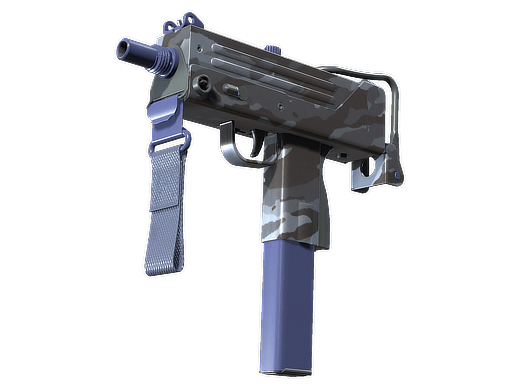 MAC-10 (Storm Camo) $0.0030 20 markets -20% 2.6K /day SV
 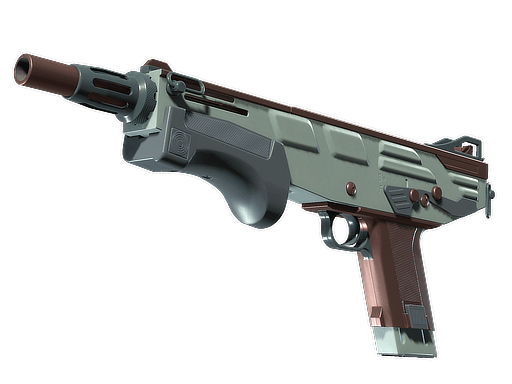 MAG-7 (Copper Oxide) $0.0030 20 markets 0% 2.4K /day SV
 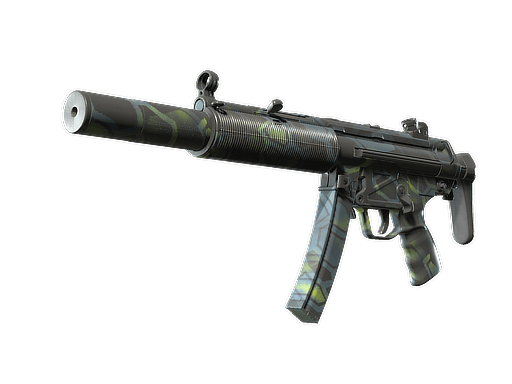 MP5-SD (Lime Hex) $0.0030 19 markets -33.3% 1.9K /day SV
  MP7 (Short Ochre) $0.0030 23 markets -33.3% 2.1K /day SV
 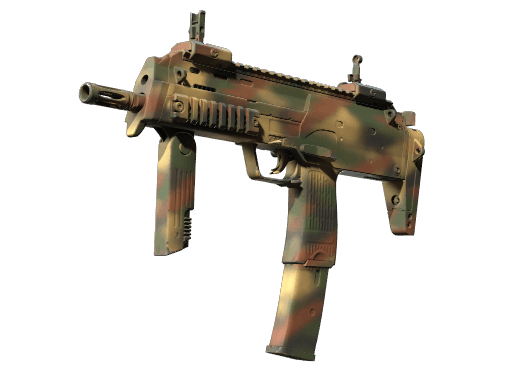 MP7 (Army Recon) $0.0030 27 markets 0% 778 /day SV
 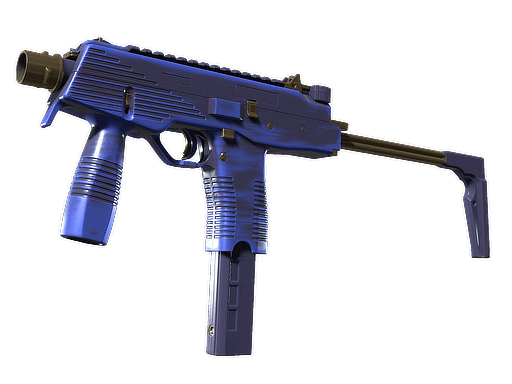 MP9 (Buff Blue) $0.0030 26 markets -33.3% 3.0K /day SV
 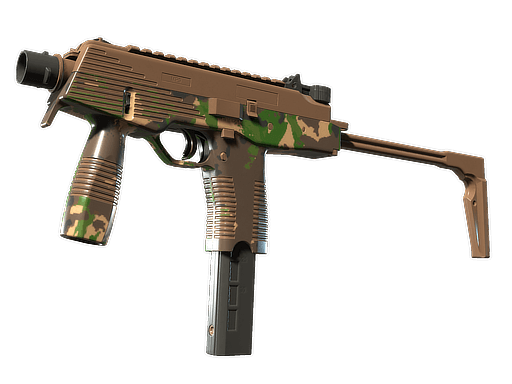 MP9 (Multi-Terrain) $0.0030 20 markets 0% 1.6K /day SV
  MP9 (Pine) $0.0030 21 markets -20% 1.5K /day SV
  MP9 (Dizzy) $0.0030 20 markets 0% 2.0K /day SV
  MP9 (Bee-Tron) $0.0030 22 markets -20% 2.1K /day SV
  Negev (Raw Ceramic) $0.0030 19 markets 0% 1.2K /day SV
  Nova (Currents) $0.0030 20 markets -20% 2.0K /day SV
 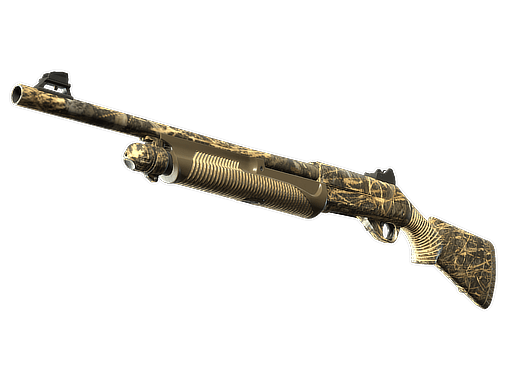 Nova (Marsh Grass) $0.0030 18 markets -42.9% 2.3K /day SV
  Nova (Predator) $0.0030 24 markets +25% 505 /day SV
 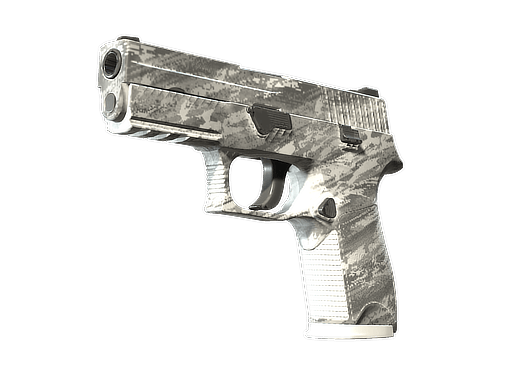 P250 (Sleet) $0.0030 20 markets -20% 2.6K /day SV
  P250 (Copper Oxide) $0.0030 20 markets 0% 2.3K /day SV
  P250 (Plum Netting) $0.0030 21 markets 0% 2.3K /day SV
  P90 (Desert Halftone) $0.0030 20 markets 0% 2.6K /day SV
 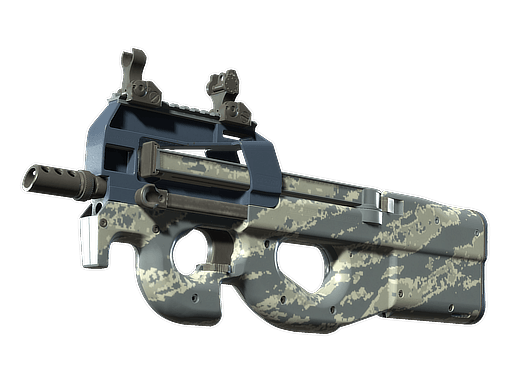 P90 (Blue Tac) $0.0030 17 markets 0% 1.6K /day SV
  P90 (Sand Spray) $0.0030 22 markets -25% 545 /day SV
  R8 Revolver (Mauve Aside) $0.0030 17 markets 0% 3.3K /day SV
 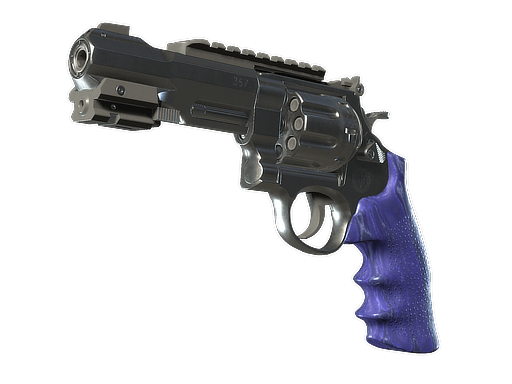 R8 Revolver (Cobalt Grip) $0.0030 21 markets 0% 2.0K /day SV
 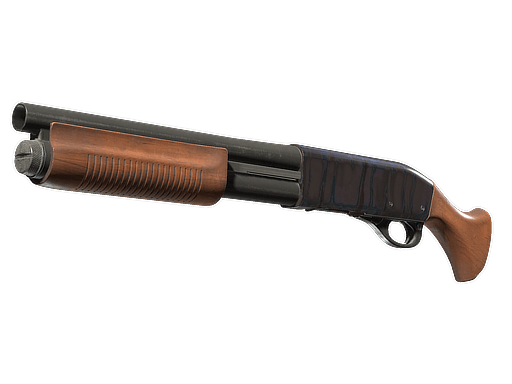 Sawed-Off (Runoff) $0.0030 19 markets 0% 1.1K /day SV
 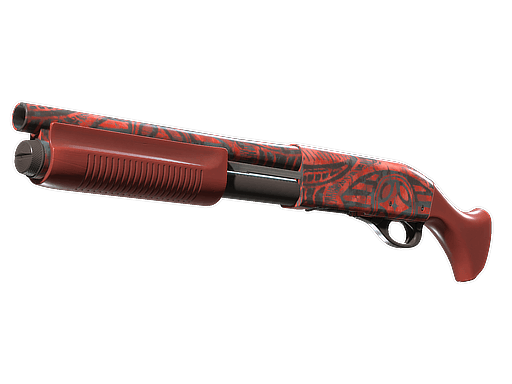 Sawed-Off (Crimson Batik) $0.0030 21 markets 0% 2.8K /day SV
 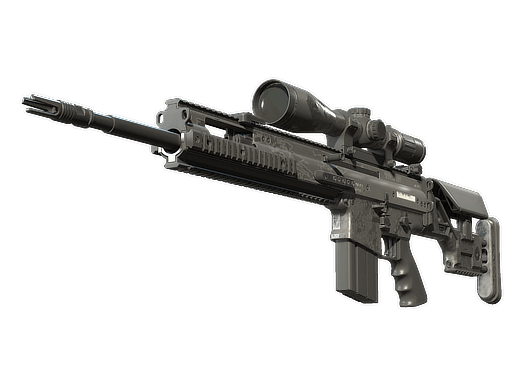 SCAR-20 (Zinc) $0.0030 20 markets 0% 4.7K /day SV
 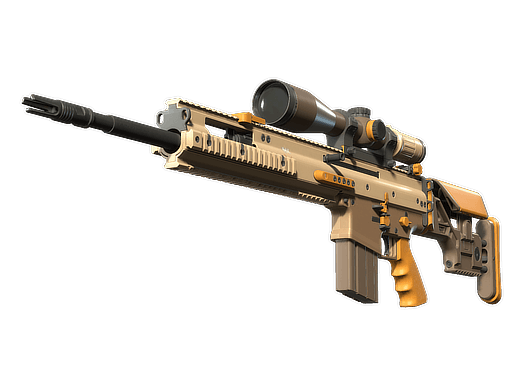 SCAR-20 (Short Ochre) $0.0030 20 markets 0% 1.5K /day SV
  SCAR-20 (Contractor) $0.0030 27 markets -6.7% 789 /day SV
 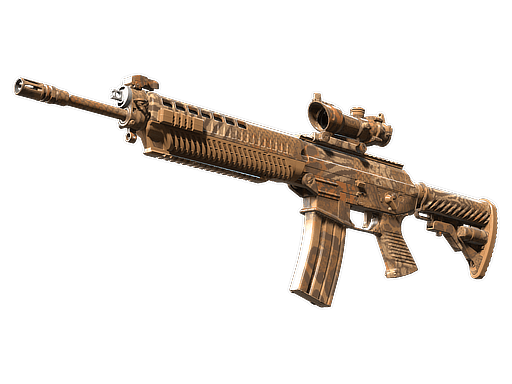 SG 553 (Safari Print) $0.0030 19 markets 0% 2.5K /day SV
 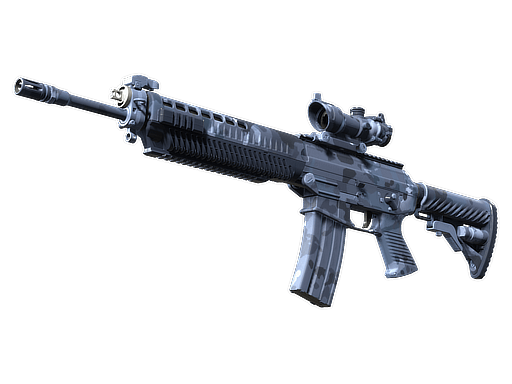 SG 553 (Night Camo) $0.0030 23 markets -33.3% 2.2K /day SV
 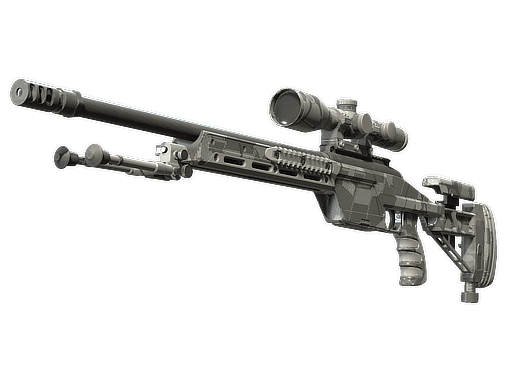 SSG 08 (Sans Comic) $0.0030 21 markets 0% 2.9K /day SV
  SSG 08 (Green Ceramic) $0.0030 20 markets 0% 1.5K /day SV
  SSG 08 (Grey Smoke) $0.0030 22 markets -20% 2.2K /day SV
 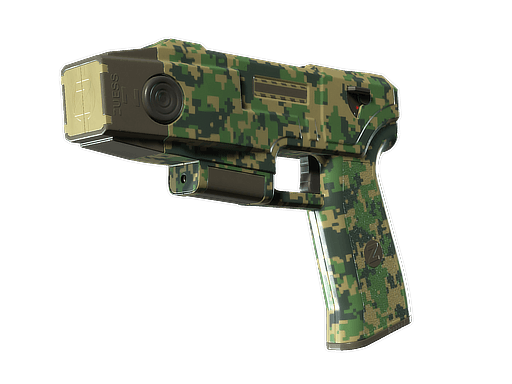 Zeus x27 (Swamp DDPAT) $0.0030 18 markets -20% 2.0K /day SV
 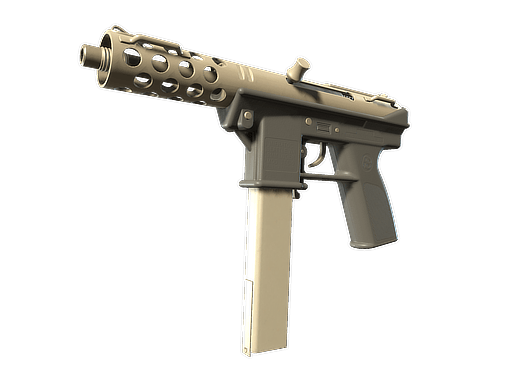 Tec-9 (Raw Ceramic) $0.0030 22 markets 0% 2.2K /day SV
  Tec-9 (Blue Blast) $0.0030 24 markets 0% 2.4K /day SV
 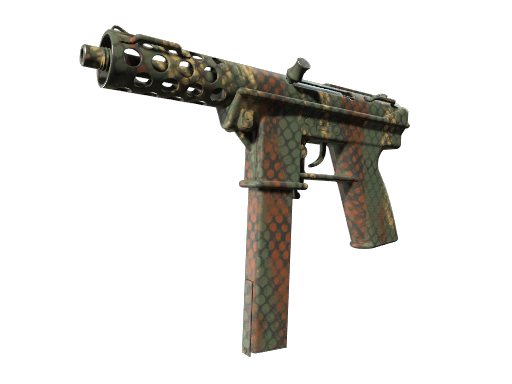 Tec-9 (Army Mesh) $0.0030 26 markets +50% 813 /day SV
 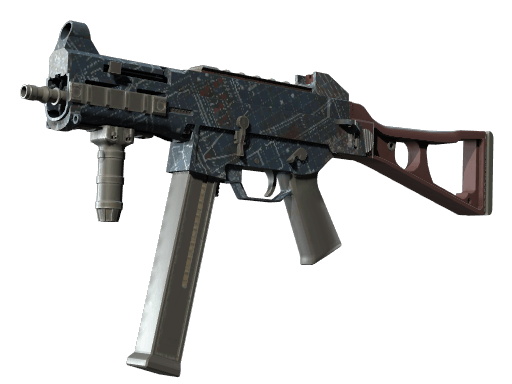 UMP-45 (Facility Dark) $0.0030 25 markets +12.5% 616 /day SV
 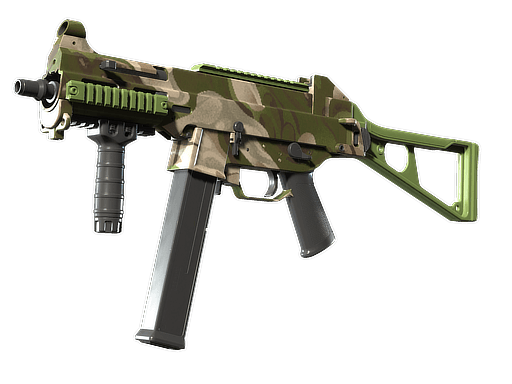 UMP-45 (Green Swirl) $0.0030 19 markets 0% 1.5K /day SV
  XM1014 (Canvas Cloud) $0.0030 19 markets 0% 2.4K /day SV
 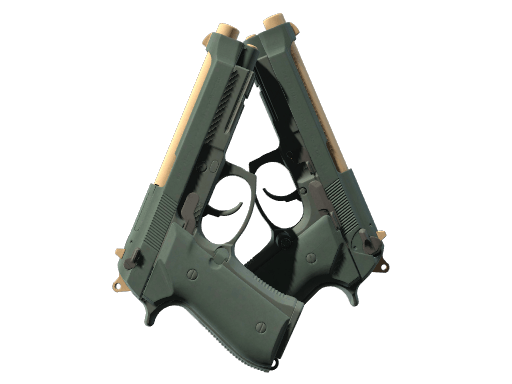 Dual Berettas (Contractor) $0.0040 25 markets +14.3% 785 /day SV
  MP9 (Sand Dashed) $0.0040 23 markets 0% 821 /day SV
 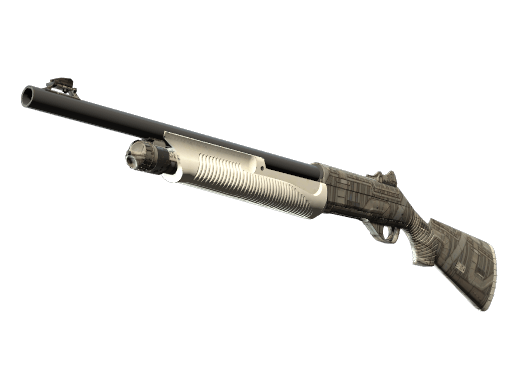 Nova (Mandrel) $0.0040 26 markets 0% 579 /day AUG (Commando Company) SV 2.1K/day · 22 markets $0.0030 -20% 2.1K 22 PP-Bizon (Wood Block Camo) SV 1.4K/day · 19 markets $0.0030 -20% 1.4K 19 PP-Bizon (Bizoom) SV 2.3K/day · 19 markets $0.0030 0% 2.3K 19 PP-Bizon (Thermal Currents) SV 2.2K/day · 23 markets $0.0030 +25% 2.2K 23 CZ75-Auto (Honey Paisley) SV 3.1K/day · 22 markets $0.0030 0% 3.1K 22 CZ75-Auto (Pink Pearl) SV 1.4K/day · 18 markets $0.0030 0% 1.4K 18 Dual Berettas (BorDeux) SV 2.1K/day · 22 markets $0.0030 0% 2.1K 22 Dual Berettas (Silver Pour) SV 1.9K/day · 20 markets $0.0030 0% 1.9K 20 FAMAS (Byproduct) SV 2.5K/day · 22 markets $0.0030 -20% 2.5K 22 FAMAS (Palm) SV 2.2K/day · 18 markets $0.0030 0% 2.2K 18 Five-SeveN (Autumn Thicket) SV 2.0K/day · 20 markets $0.0030 -33.3% 2.0K 20 G3SG1 (Desert Storm) SV 644/day · 25 markets $0.0030 0% 644 25 G3SG1 (Red Jasper) SV 1.4K/day · 18 markets $0.0030 +25% 1.4K 18 G3SG1 (Green Cell) SV 1.2K/day · 19 markets $0.0030 0% 1.2K 19 Galil AR (Grey Smoke) SV 1.4K/day · 19 markets $0.0030 0% 1.4K 19 M249 (Sleet) SV 1.6K/day · 20 markets $0.0030 0% 1.6K 20 M249 (Sage Camo) SV 2.1K/day · 19 markets $0.0030 0% 2.1K 19 MAC-10 (Bronzer) SV 2.2K/day · 21 markets $0.0030 -20% 2.2K 21 MAC-10 (Storm Camo) SV 2.6K/day · 20 markets $0.0030 -20% 2.6K 20 MAG-7 (Copper Oxide) SV 2.4K/day · 20 markets $0.0030 0% 2.4K 20 MP5-SD (Lime Hex) SV 1.9K/day · 19 markets $0.0030 -33.3% 1.9K 19 MP7 (Short Ochre) SV 2.1K/day · 23 markets $0.0030 -33.3% 2.1K 23 MP7 (Army Recon) SV 778/day · 27 markets $0.0030 0% 778 27 MP9 (Buff Blue) SV 3.0K/day · 26 markets $0.0030 -33.3% 3.0K 26 MP9 (Multi-Terrain) SV 1.6K/day · 20 markets $0.0030 0% 1.6K 20 MP9 (Pine) SV 1.5K/day · 21 markets $0.0030 -20% 1.5K 21 MP9 (Dizzy) SV 2.0K/day · 20 markets $0.0030 0% 2.0K 20 MP9 (Bee-Tron) SV 2.1K/day · 22 markets $0.0030 -20% 2.1K 22 Negev (Raw Ceramic) SV 1.2K/day · 19 markets $0.0030 0% 1.2K 19 Nova (Currents) SV 2.0K/day · 20 markets $0.0030 -20% 2.0K 20 Nova (Marsh Grass) SV 2.3K/day · 18 markets $0.0030 -42.9% 2.3K 18 Nova (Predator) SV 505/day · 24 markets $0.0030 +25% 505 24 P250 (Sleet) SV 2.6K/day · 20 markets $0.0030 -20% 2.6K 20 P250 (Copper Oxide) SV 2.3K/day · 20 markets $0.0030 0% 2.3K 20 P250 (Plum Netting) SV 2.3K/day · 21 markets $0.0030 0% 2.3K 21 P90 (Desert Halftone) SV 2.6K/day · 20 markets $0.0030 0% 2.6K 20 P90 (Blue Tac) SV 1.6K/day · 17 markets $0.0030 0% 1.6K 17 P90 (Sand Spray) SV 545/day · 22 markets $0.0030 -25% 545 22 R8 Revolver (Mauve Aside) SV 3.3K/day · 17 markets $0.0030 0% 3.3K 17 R8 Revolver (Cobalt Grip) SV 2.0K/day · 21 markets $0.0030 0% 2.0K 21 Sawed-Off (Runoff) SV 1.1K/day · 19 markets $0.0030 0% 1.1K 19 Sawed-Off (Crimson Batik) SV 2.8K/day · 21 markets $0.0030 0% 2.8K 21 SCAR-20 (Zinc) SV 4.7K/day · 20 markets $0.0030 0% 4.7K 20 SCAR-20 (Short Ochre) SV 1.5K/day · 20 markets $0.0030 0% 1.5K 20 SCAR-20 (Contractor) SV 789/day · 27 markets $0.0030 -6.7% 789 27 SG 553 (Safari Print) SV 2.5K/day · 19 markets $0.0030 0% 2.5K 19 SG 553 (Night Camo) SV 2.2K/day · 23 markets $0.0030 -33.3% 2.2K 23 SSG 08 (Sans Comic) SV 2.9K/day · 21 markets $0.0030 0% 2.9K 21 SSG 08 (Green Ceramic) SV 1.5K/day · 20 markets $0.0030 0% 1.5K 20 SSG 08 (Grey Smoke) SV 2.2K/day · 22 markets $0.0030 -20% 2.2K 22 Zeus x27 (Swamp DDPAT) SV 2.0K/day · 18 markets $0.0030 -20% 2.0K 18 Tec-9 (Raw Ceramic) SV 2.2K/day · 22 markets $0.0030 0% 2.2K 22 Tec-9 (Blue Blast) SV 2.4K/day · 24 markets $0.0030 0% 2.4K 24 Tec-9 (Army Mesh) SV 813/day · 26 markets $0.0030 +50% 813 26 UMP-45 (Facility Dark) SV 616/day · 25 markets $0.0030 +12.5% 616 25 UMP-45 (Green Swirl) SV 1.5K/day · 19 markets $0.0030 0% 1.5K 19 XM1014 (Canvas Cloud) SV 2.4K/day · 19 markets $0.0030 0% 2.4K 19 Dual Berettas (Contractor) SV 785/day · 25 markets $0.0040 +14.3% 785 25 MP9 (Sand Dashed) SV 821/day · 23 markets $0.0040 0% 821 23 Nova (Mandrel) SV 579/day · 26 markets $0.0040 0% 579 26
 Price = cheapest fee-included ask across markets · Sold/day = trades across all tracked markets · How we price →
Cheapest CS2 Skins: the guide
What actually sits at the price floor
The genuine floor is made of Consumer Grade (white) and Industrial Grade (light blue) finishes, the two lowest weapon rarities, which do not drop from cases and instead come from weekly play drops and a handful of base collections. Many of these sell at the Steam Community Market minimum of $0.03, and the cheapest of all are usually high-float Battle-Scarred versions plus low-tier graffiti. Because these tiers are produced in enormous volume and have weak demand, their price barely moves above the market minimum. Knives and gloves never appear here; the bottom of the market is almost entirely common rifle, pistol and SMG skins.
Why wear (float) decides which copy is cheapest
Every skin carries a float value from 0.00 to 1.00 that maps to five exteriors: Factory New (0.00-0.07), Minimal Wear (0.07-0.15), Field-Tested (0.15-0.38), Well-Worn (0.38-0.45) and Battle-Scarred (0.45-1.00). For the same finish, Battle-Scarred copies are almost always the cheapest because the pattern looks the most scratched and faded. When you are hunting the absolute lowest price on any given skin, sort to the highest-float Battle-Scarred listing. The float gap between exteriors is also why a single finish can span a wide range while still being a budget pick.
How cheap skins feed trade-up contracts
A trade-up contract consumes exactly 10 skins of the same rarity and outputs one skin of the next grade up, which is the main reason traders buy cheap inputs in bulk. The 10 inputs can come from different collections, and the output is pulled from one of those collections' higher tier, weighted by how many of your inputs came from each collection. The output's float is the average float of your 10 inputs, then rescaled into the output skin's own min-max float range, so low-float inputs push toward a cleaner result. StatTrak contracts require all 10 inputs to be StatTrak, and Covert is the ceiling: you cannot trade up into knives or gloves.
Cheap skins as sticker-craft bases
Sticker crafts apply stickers to a base skin, and once a sticker is placed it cannot be moved, only scraped off and destroyed. Crafters deliberately pick cheap, plain bases so that the value and visual identity of the craft come from the stickers, not the gun finish. A common approach is a solid-color or high-float Consumer base paired with matching stickers, keeping the entry cost low while the sticker placement does the work. The base itself stays near the floor price, so the only real expense is the stickers you commit.
Marketability, fees and trade holds
Cheap skins are highly liquid on the Steam Community Market because supply is deep, but Steam's combined fee of about 15% (a 5% Steam fee plus a 10% CS2 game fee) means a seller of a $0.03 item nets almost nothing. Items received through a trade or a market purchase are locked by a 7-day trade hold before they can move again, which matters when you are accumulating trade-up fodder. Steam Wallet funds from sales also cannot be cashed out, only spent on the platform. For practical purposes, treat sub-dollar skins as inventory and craft material rather than a resale source.
What budget skins are genuinely good for
Beyond trade-up fodder and craft bases, the most honest use of cheap skins is filling a loadout so every weapon in your buy menu looks intentional for a few dollars total. They are also a low-risk way to learn the inspect, float and sticker mechanics before spending on Restricted or Covert items. Buying many common skins to chase a profitable trade-up is possible but usually break-even or a loss unless you target a specific collection where the output values clearly exceed input cost. The reliable value is utility, not appreciation.
What is the cheapest CS2 skin?
Many Consumer Grade skins sell at the Steam Community Market minimum of $0.03, so there is no single cheapest skin; the lowest listings are typically high-float Battle-Scarred common finishes and low-tier graffiti, and which exact skin is cheapest shifts with supply.
Why are some CS2 skins only a few cents?
They are the lowest rarities (Consumer and Industrial Grade), which drop in huge volume from weekly play and base collections rather than cases, so supply far outstrips demand and the price sits at the market floor.
Do the cheapest skins come from cases?
No. Cases only contain Mil-Spec and higher, with documented odds of 79.92% Mil-Spec, 15.98% Restricted, 3.20% Classified, 0.64% Covert and 0.26% for a rare special item; Consumer and Industrial skins come from drops and collections instead.
Can I make money trading up cheap skins?
Rarely. A trade-up turns 10 same-rarity inputs into one skin of the next grade, but the output depends on which collections you used and the averaged float, so most contracts break even or lose unless you specifically target a collection where the higher-tier outputs are worth more than your inputs.
Are cheap skins tradeable and sellable?
Yes, but anything received through a trade or bought on the market carries a 7-day trade hold before it can move again, and Steam's roughly 15% market fee means selling a few-cent skin returns almost nothing.
What is the best use for cheap CS2 skins?
Use them as trade-up contract fodder, as inexpensive sticker-craft bases, or to fill out a full loadout so every weapon has a skin; their value is practical utility, not resale or appreciation.