In this material
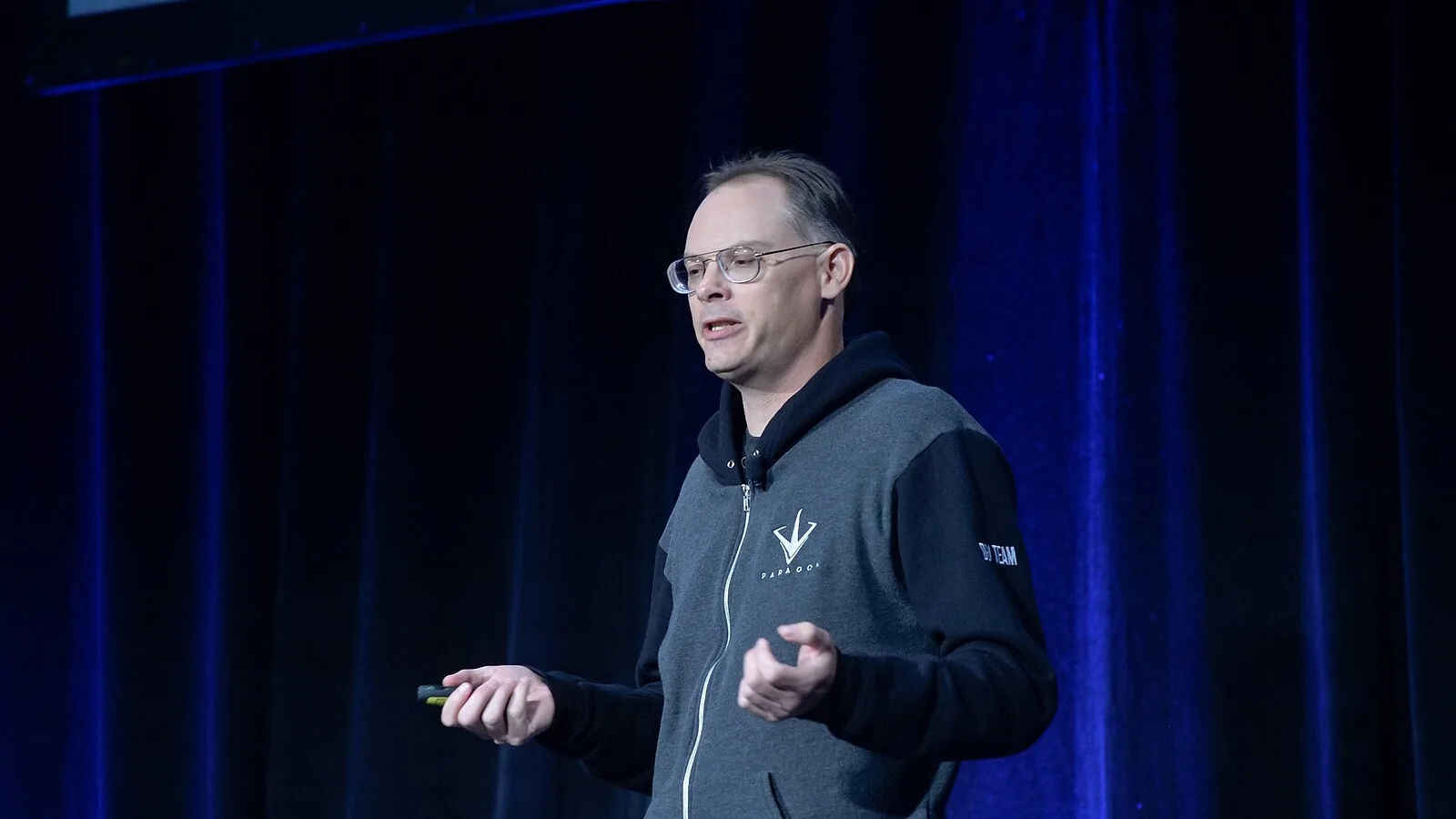
Tim Sweeney, the founder and chief executive of Epic Games, criticised Anthropic’s Claude on X on Wednesday morning. At 08:53 UTC he replied to another user’s complaint about the model, and by 21:00 UTC his post had been viewed more than 510,000 times:
It's garbage and blocked some set theory work I was doing, accusing me of distillation. This was with 1-2 hours a day of promoting [sic] on a company account. Anthropic can't keep sabotaging customers' work like this.
 Tim SweeneyFounder and CEO, Epic Gamespost on X, November 25, 2026
By “promoting” he meant prompting, the word Wccftech used when it reported the post later that day. Sweeney did not say what the set theory work was or which Claude model he used.
What Anthropic counts as distillation
Distillation means training one AI model on the answers of another. Anthropic’s commercial terms, which cover business accounts, say a customer may not access its services “to build a competing product or service, including to train competing AI models”.
On 12 October the company described its defences against what it calls distillation attacks, campaigns that collect Claude’s answers to train other models: a classifier on its most capable models, stricter limits for accounts that keep trying and bans for persistent attempts. Its classifiers “can (in fewer than 0.1% of cases) misidentify or block benign requests”, the post says, and since 24 September the company has again charged for requests its safeguards block before Claude answers, in the areas where false positives stay under that rate.
Claude in Unreal Engine 6
Epic itself is connecting Claude to its engine. In June Marcus Wassmer, who leads the development team at Epic, wrote that the company is building “an MCP with integrations for Claude, Gemini, and others” for Unreal Engine 6, a way to plug AI models into the engine’s tools.
Anthropic had not answered Sweeney publicly by 21:00 UTC on 25 November.